

Building a portfolio of local rentals in Jacksonville can be a phenomenal strategy for generating long-term wealth and solidifying your financial freedom. That said, real estate markets shift, and there comes a point where a specific property transforms from an asset into a massive liability. It’s happened to me, it’s happened to my investors and it can happen to you. In this article, we will break down five undeniable indicators that it is time to cut your losses and cash out of your Jacksonville real estate investment.
1. Persistent Negative Cash Flow
When a property consistently suffers from negative cash flow, it is a glaring red flag that your Jacksonville rental is underperforming. Simply put, this means the aggregate monthly liabilities—such as mortgage notes, property taxes, landlord insurance, structural repairs, and routine maintenance—outpace the monthly rental income hitting your bank account. In other words, you are losing money every month on your house. Sinking personal cash into a rental just to keep it afloat month after month is a strong sign that it’s time to liquidate and reallocate that capital into more profitable ventures. Investing in real estate in Jacksonville, Saint Johns, Clay or Nassau county isn’t as simple as youtube can make it seam and not every house is worth saving. Sometimes, it’s better off to sell and even put your money into a CD or any other safer investment strategy. For more benefits of a cash sale to us please check out this article about our homebuying benefits.
2. High Vacancy Rates and Tenant Turnover
Unoccupied units are the silent killer of real estate returns. One or two months of vacancy can really harm your yearly returns. If your property in Jacksonville isn’t generating revenue, yet you remain fully responsible for the holding costs (mortgage, insurance, property tax and maintenace) this can make an asset quickly feel like a liabilty. High vacancy cycles often mean the local Jacksonville rental market has cooled, or the property requires major cosmetic upgrades to compete. We’ve ran into situations before where local markets just hate some properties for example if everyone has 3 or 4 bedrooms and your house is a 2 bedroom or if the floor plan just doesn’t flow or make sense. Not all rentals or neighborhoods are the same. If you have adjusted your rental marketing and optimized your pricing but still can’t keep qualified tenants in place, selling the property is often the smartest exit strategy. Buying Jacksonville Homes can help you sell fast for cash or list it on the market for top dollar. We tailor our advice to what best fits your needs when selling your house in Jacksonville (Duval), Clay, Nassau or St. Johns county. You can reach us at anytime at (904)472-4914 or shawn@buyingjacksonvillehomes.com .
3. Stagnant or Declining Neighborhood Values

Real estate markets naturally experience cycles of expansion and contraction. In other words, the market goes up and it comes down! However, if macroeconomic data reveals that property values across Jacksonville, Nassau, Clay or St. Johns are on a steady, downward trajectory, holding on can be dangerous. A declining Jacksonville market eats away at your built-in equity, making a profitable future sale incredibly difficult. In many instances, cutting your losses immediately prevents a minor financial bruise from becoming a total long-term loss. In these situations it is better to “cut off your finger to save your hand”. Unless you want to become a long term landlord and live with uncertainty it makes sense to sell now and get your capital back. Like the first reason, there are many other alternative investments that aren’t related to the health of the real estate economy. If you want real estate stats zillow does a great job at showing them. View current zillow market stats.
4. Overwhelming Deferred Maintenance and Major Repairs
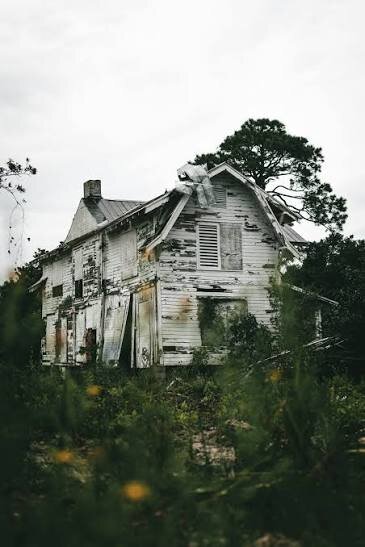
Every real estate investor budgets for standard wear and tear. However, structural failures, failing roofs, outdated electrical grids, or broken HVAC systems can instantly wipe out years of accumulated rental profit. There’s a joke between real estate investors. “If you want to invest in real estate than be prepared for the three T’s, Tenants, termites and toilets!”. The three T’s can quickly add stress to your life and make your asset/financial freedom dreams feel like nightmare handcuffs. If your Jacksonville property hits a point where the required capital expenditures exceed your available investment budget, selling the home as-is becomes highly practical. You can get a no obligation offer from us at anytime at (904)472-4914 or by filling out our cash offer form. With traditional sales you are typically expecting to have your house in FHA condition and that requires no wood rot, life left in the roof, a working ac, no open holes, no missing bathroom tiles, electrical and plumbing standards and no holes in the walls. Putting off these critical fixes will only accelerate the property’s deterioration and lower its eventual market value. Also, the city may start issuing citations, rolling fines and liens on properties in Jacksonville that aren’t up to code (ex. landscaping). If you want to check if you have any code violations you can click here for Duval county code violations. Our team at Buying Jacksonville Homes has a great relationship with the city and local attorneys to help us handle these situations quickly and get fines reduced. By being able to reduce fines, we are able to offer you more money for your house. Once again, to check for fines, you can reach out to the city of Duval at Jacksonville Public record request.
5. Shifting Personal Circumstances
Life rarely stays static, and personal changes heavily influence your capacity to manage a rental portfolio. Situations like career relocations, estate settlements, divorces, or a sudden demand for liquid cash can make landlording impossible to sustain. When these life events arise, you have to realistically weigh the emotional and financial stress of managing a problematic property against the clean break of a rapid cash sale. Thankfully, Buying Jacksonville Homes specializes in these situations and has good attorney relations to help ease the burden. We not only buy your house fast for cash or help you sell it but we can help you handle ALL the legal matters involved.
The Investor’s Bottom Line: The primary objective of any investment portfolio is to deliver a reliable financial return. When a property stops producing income and starts draining your time, it’s time to explore alternative paths.
Whether your properties are located in Duval County, Saint Johns County, Clay County, or Nassau County, you don’t have to navigate a bad investment alone. As local home buyers, we buy houses in any condition—even with tenant issues or major structural damage. Whether you’re inheriting a property, in foreclosure, or late on property taxes we can help!
If you are ready to walk away from a burdensome investment property without dealing with real estate agent commissions, open houses, or repair demands, connect with the team at Buying Jacksonville Homes today at (904) 472-4914 or submit your property information through our quick online form. If you want to hold onto it then I recommend being savey, keeping your tenants when you can and always do a yearly property inspection to guarantee your house is being properly taken care of. Remember, deferred maintenace can lead to much bigger problems. If you can handle the 3 T’s than you will be just fine.
Our Clients Love Us – Check out our Reviews!





About Buying Jacksonville Homes
I’m Shawn, founder of Buying Jacksonville Homes and a licensed Florida real estate professional who has spent years buying, renovating, and selling homes throughout Jacksonville and Northeast Florida.
My approach is simple: give homeowners real options and make the process as straightforward as possible. Every property and every seller’s situation is different, so I don’t believe in forcing everyone into the same solution.
If selling directly makes the most sense, Buying Jacksonville Homes can purchase the property for cash, often as-is, without requiring repairs, showings, or a traditional listing. If a homeowner would likely walk away with more money by putting the property on the market, I can help them explore that option as well.
Over the years, I’ve worked with homeowners dealing with inherited properties, probate, unwanted rentals, major repairs, liens, foreclosure concerns, difficult occupants, and homes that simply need more work than the owner wants to take on.
Because I actively invest in Jacksonville real estate myself, I understand these situations from more than just a sales perspective. I look at the property’s condition, repair costs, market value, timeline, and the seller’s goals to determine which path actually makes sense.
Buying Jacksonville Homes was built around one idea: Jacksonville homeowners deserve an honest answer about their options—not pressure to sell one particular way.
Whether that means making a cash offer, helping you list the property, or simply pointing you in the right direction, my goal is to help you make the decision that works best for you. Call or text anytime at (904)472-4914 or email me at shawn@buyingjacksonvillehomes.com.