
Active real estate investors in Jacksonville are constantly searching for ways to diversify their portfolios, build long-term equity, and accelerate their monthly rental income. For forward-thinking real estate investors, incorporating multi-family assets into a local acquisition plan can be a remarkably smart business move. Multi-family properties—which consist of two or more units in a single building (such as duplexes, triplexes, or apartment complexes)—offer several unique scaling advantages over traditional single-family rentals. In this guide, we will break down why experienced real estate investors are targeting multi-unit structures and how to evaluate these deals across Duval, St. Johns, Clay, and Nassau counties.

Pros and Cons of Multi-Family Real Estate
Multi-family properties are designed to house multiple separate households within a single footprint. Each unit features its own private kitchen, living area, bathrooms, and bedrooms. Whether evaluating small residential duplexes or larger commercial apartments, real estate investors utilize these assets to generate a highly predictable stream of monthly cash flow.
- The Multi-Unit Advantage: Managing multiple tenants under one physical roof reduces average per-unit maintenance overhead and simplifies overall property management logistics. This is a huge plus to an investor because maintenace cost can quickly eat away your cash flow. Roofs are typically the most expensive renovation you’ll have to do.
The Pros
- Higher Gross Rental Income: Collecting rent checks from multiple tenants on a single parcel of land significantly raises the total monthly revenue ceiling compared to a single-family rental.
- Inherent Portfolio Diversification: Spreading the tenant base across multiple units insulates real estate investors from sudden cash flow drops.
- Lower Vacancy Sensitivity: If a tenant moves out of a single-family rental, the building is 100% vacant and actively draining cash. In a triplex, a single vacancy only represents a minor dip in monthly income, keeping the asset profitable. You still have two different rentals making money.
The Cons
- Elevated Initial Capital Outlay: Multi-family buildings generally carry higher purchase prices, requiring larger down payments and deeper cash reserves.
- Intense Tenant Management: Managing shared walls, parking spaces, and common areas brings more tenant interaction and operational complexity.
- Complex Underwriting Standards: Traditional lenders often evaluate multi-family loans under commercial underwriting guidelines, requiring solid Debt Service Coverage Ratios (DSCR).
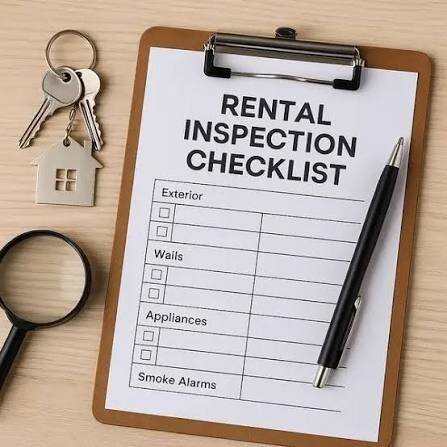
10 Critical Things Jacksonville Real Estate Investors Must Evaluate
To protect capital and secure a profitable multi-unit asset, real estate investors must perform thorough due diligence. Here are ten crucial items to analyze:
- Location: Neighborhood quality is everything. Look for stable submarkets in Duval and St. Johns counties with strong job growth, low crime rates, and proximity to major employment hubs.
- Unit Count: Determine if a duplex, triplex, or 4-unit building fits current management capacity. More doors mean more cash, but also more operational responsibility.
- Physical Property Condition: Carefully inspect shared utility systems, roofs, and foundations. Budgeting upfront for capital expenditures (CapEx) is critical to preserving long-term yield.
- In-Place Rental Income: Analyze current leases to see if the building is operating at true market rates or if there is room to increase revenue through cosmetic updates.
- Historical Operating Expenses: Review real utility bills, tax assessments, and insurance premiums across Clay and Nassau counties to verify the true operating cost.
- Real Net Cash Flow: Subtract all operating expenses, mortgage debt, and management reserves from gross income to determine the true net cash-on-cash return.
- Creative Financing Paths: Compare conventional residential loans, commercial portfolio lending, and private capital structures to optimize leverage.
- Management Infrastructure: Decide early on whether to handle tenant calls directly or delegate day-to-day operations to a licensed third-party management firm.
- Tenant Screening Standards: Establish standardized, legal background and credit screening criteria to ensure reliable, long-term residents are placed.
- Clear Exit Strategy: Smart real estate investors always establish a back-end exit plan, whether holding the asset long-term or executing a 1031 tax-deferred exchange down the road.
Leverage Local Market Expertise with Buying Jacksonville Homes
Transitioning into multi-family real estate is an incredibly effective way for real estate investors to scale, but finding the right off-market opportunities takes specialized local boots on the ground. Every deal is different and there’s no set ROI for us. We look at the whole overall package and implore you to do the same. Everyone finds out their risk tolerance and preferences after just a couple rentals.
At Buying Jacksonville Homes, we work closely with local landlords, estate executors, and property owners across Northeast Florida. If you are a property owner holding an aging duplex, a distressed triplex, or a single-family rental that has become too stressful to manage, you don’t have to deal with the headaches of a traditional listing. Cann us today for a quick cash offer Same Day Offer Submission Form. We love investing in Jacksonville real estate and are happy to share any knowledge we can.
As trusted cash home buyers in Jacksonville, we make it simple whether you need an inherited property buyer in Jacksonville, want to buy a vacant house in Jacksonville, or need to sell my house fast jacksonville. We do it all. We purchase properties completely as-is—meaning no repairs, unit cleanouts, or tenant evictions required. We cover standard closing costs and close on the exact date that fits your timeline best. Click here for a cash offer Same Day Offer Submission Form. Click here to see how we do it! How Do We Buy Houses Fast For Cash? (Q and A)
Ready to simplify your real estate portfolio or explore off-market deals? Check our latest Jacksonville real estate market guides or reach out to the team at Buying Jacksonville Homes today at (904) 472-4914 or visit our Buying Jacksonville Homes contact page to get your fair cash offer!

About Buying Jacksonville Homes
I'm Shawn Rosenblum, founder of Buying Jacksonville Homes and a licensed Florida real estate professional who has spent years buying, renovating, and selling homes throughout Jacksonville and Northeast Florida. My approach is simple: give homeowners real options and make the process as straightforward as possible. Every property and every seller's situation is different, so I don't believe in forcing everyone into the same solution. If selling directly makes the most sense, Buying Jacksonville Homes can purchase the property for cash, often as-is, without requiring repairs, showings, or a traditional listing. If a homeowner would likely walk away with more money by putting the property on the market, I can help them explore that option as well. Over the years, I've worked with homeowners dealing with inherited properties, probate, unwanted rentals, major repairs, liens, foreclosure concerns, difficult occupants, and homes that simply need more work than the owner wants to take on. Because I actively invest in Jacksonville real estate myself, I understand these situations from more than just a sales perspective. I look at the property's condition, repair costs, market value, timeline, and the seller's goals to determine which path actually makes sense. Buying Jacksonville Homes was built around one idea: homeowners deserve an honest answer about their options—not pressure to sell one particular way. Whether that means making a cash offer, helping you list the property, or simply pointing you in the right direction, my goal is to help you make the decision that works best for you.